Jewel – Bijou
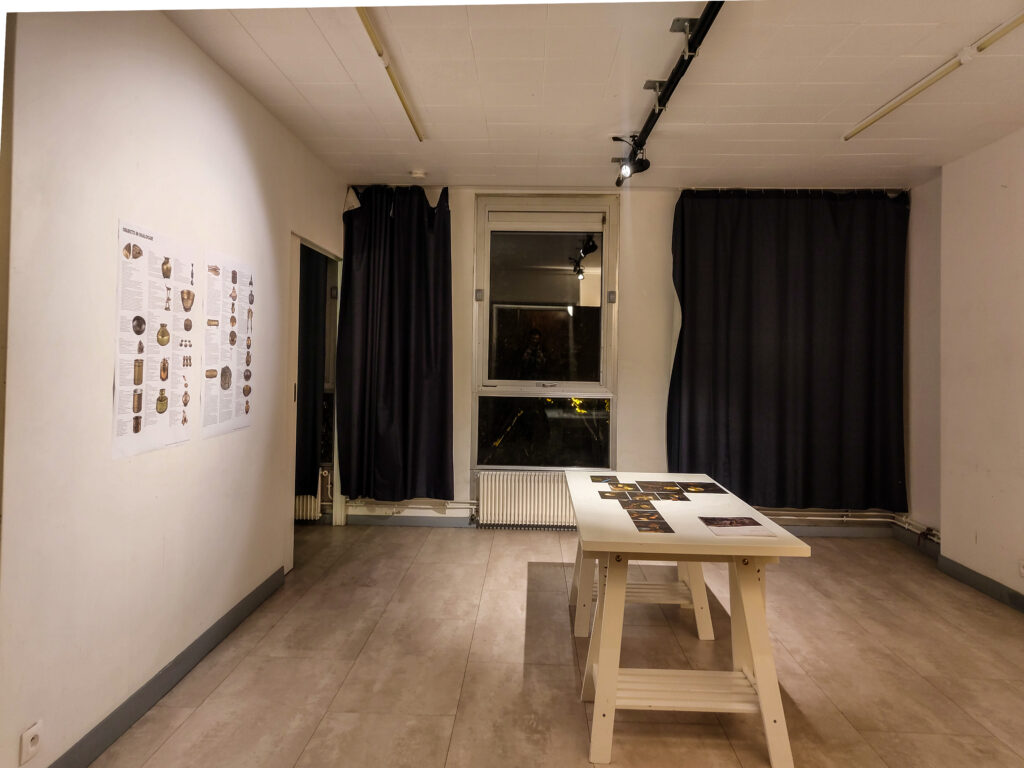
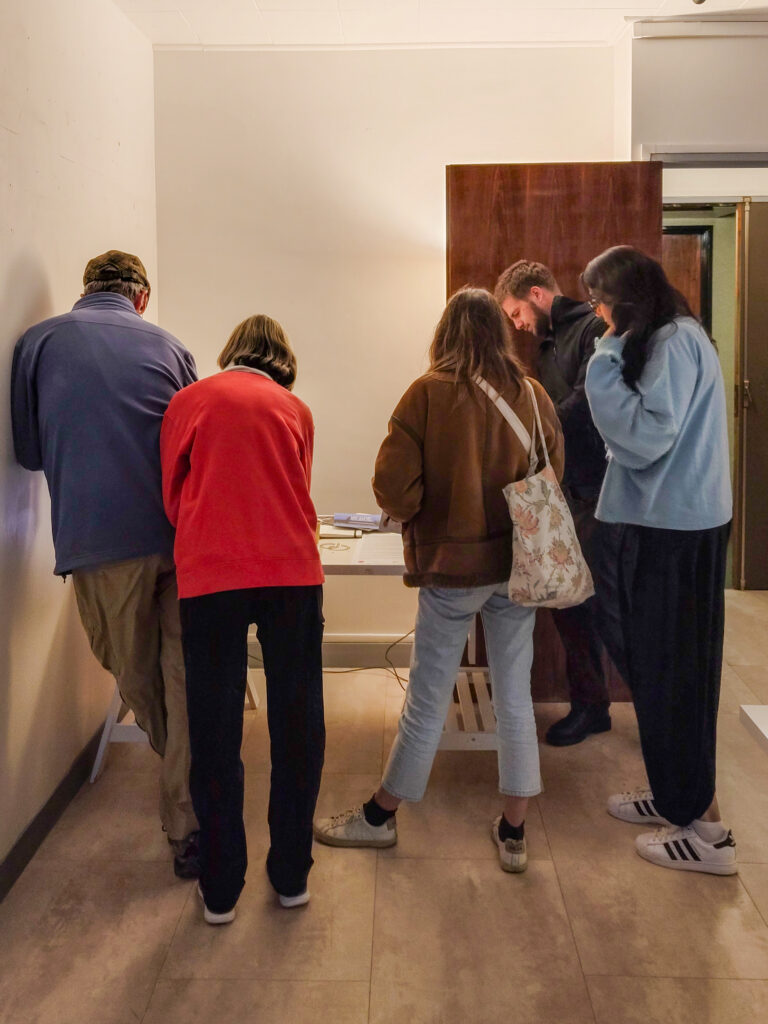
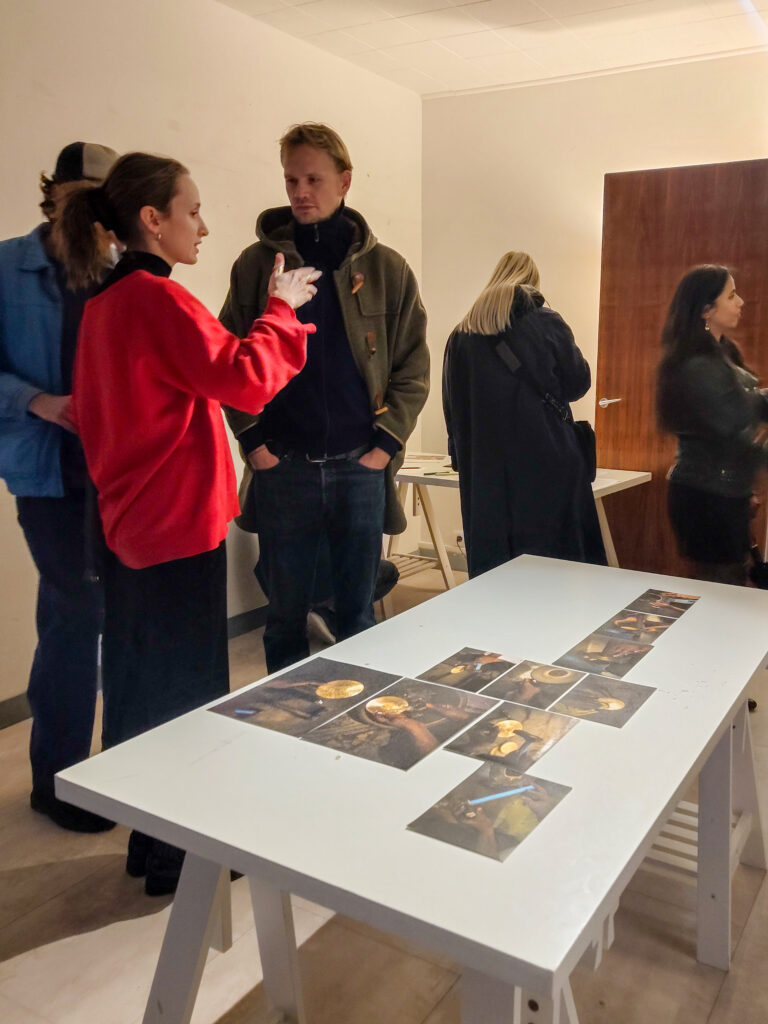
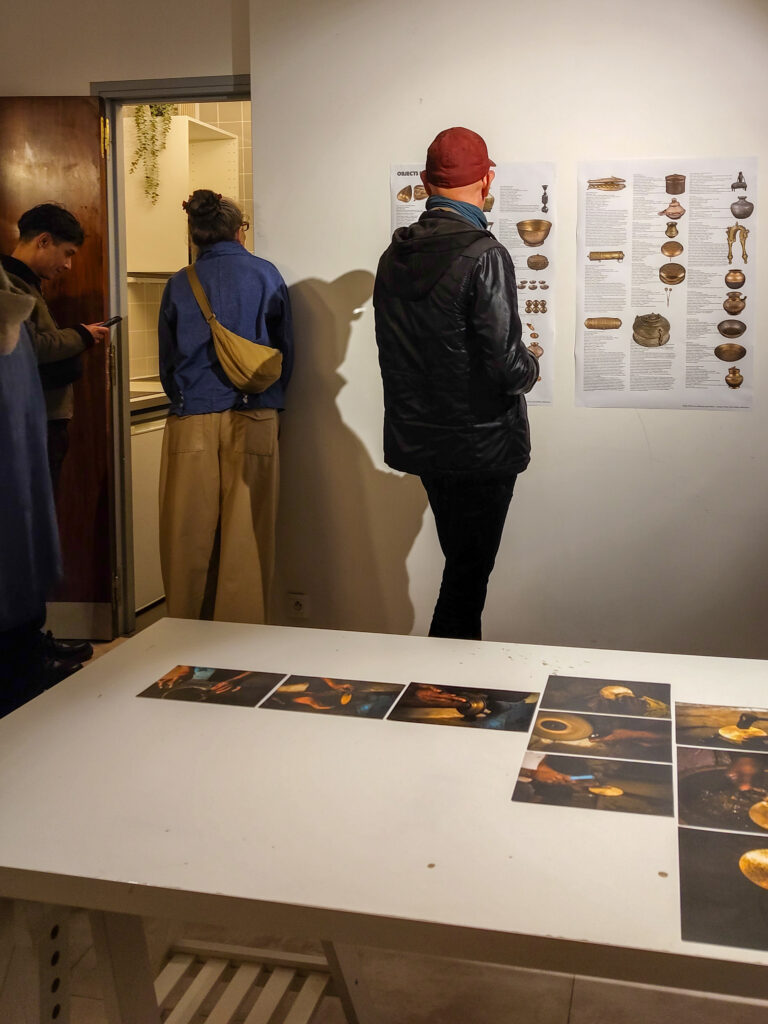
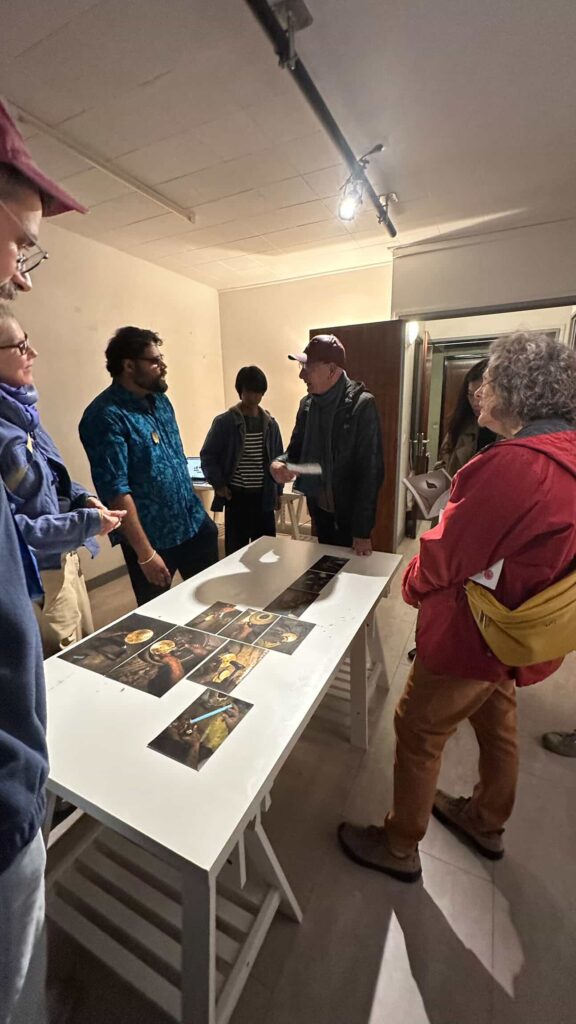
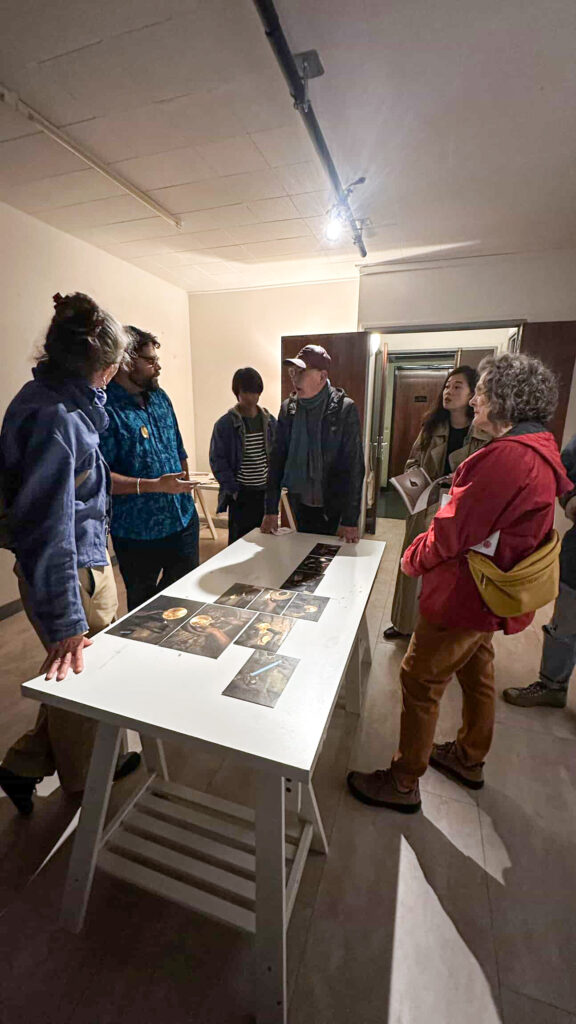
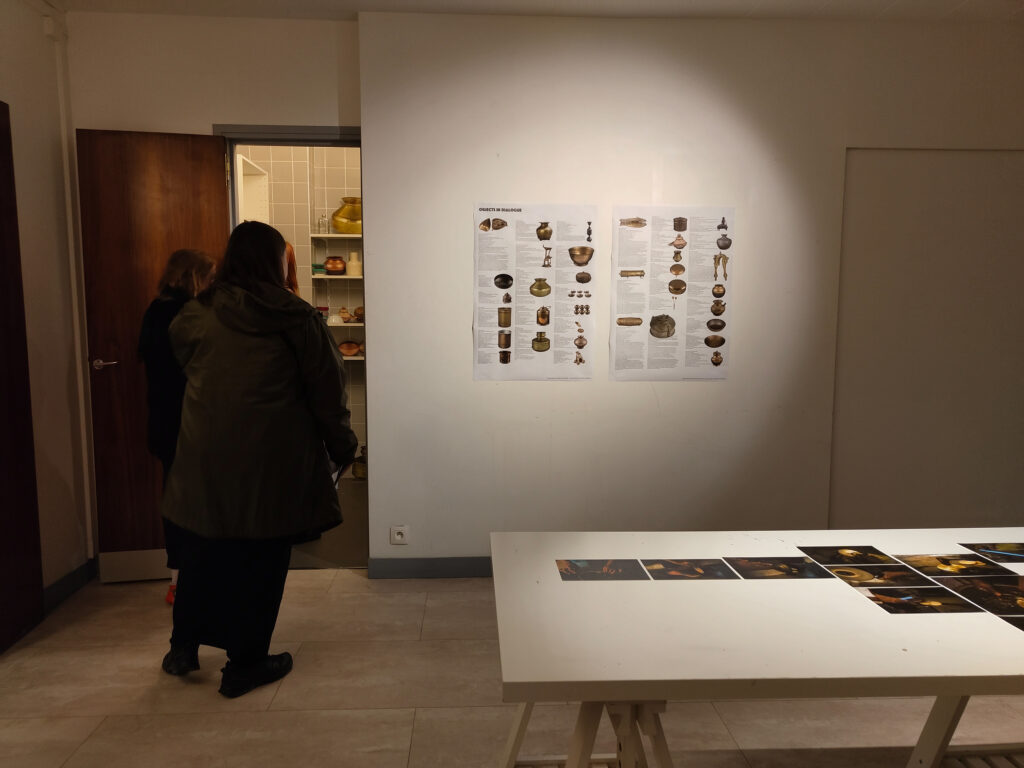
Documentation of the Open Studio at the end of a research residency at Cité Internationale Des Arts, Paris, 2025.
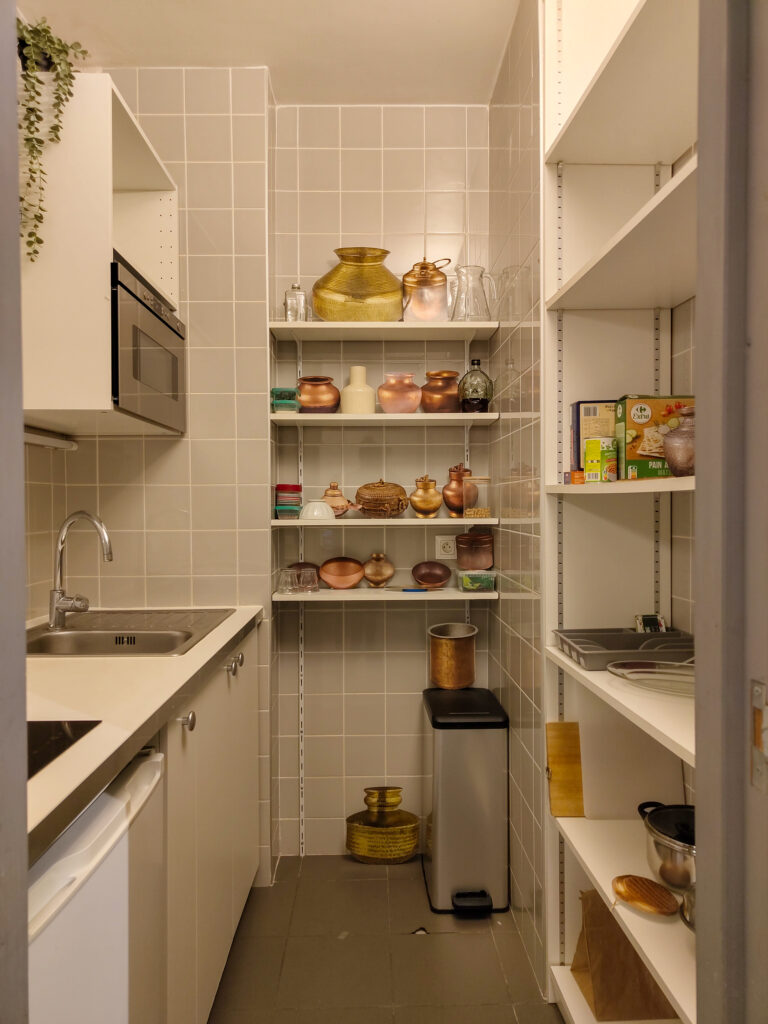
During my residency at Cité Internationale Des Arts, I developed Bijou, a project exploring the history of craft exchange between India and France and reinterpreting Indian brass and copper utensils found in Parisian museum collections. The word bijou, meaning “jewel,” carries connotations of delicacy, artistry, and cultural value suggesting refinement not only in material worth but also in making. My project engages with this expanded meaning, connecting everyday utensils with larger narratives of exchange, displacement, and reinterpretation.
The history of Indo-French craft exchange is long and layered. As early as the 17th century, Indian textiles, dyes, and metalwork entered French markets through the East India Companies, profoundly influencing French decorative arts, fashion, and design. Conversely, the colonial period introduced French motifs and design principles into India, shaping new directions in artisanal practice and embedding European aesthetics within local traditions. Catalogues such as From India to France: Artistic Exchange in the Age of Empires and Rajas, Nawabs and Firangees: Treasures from Indian and French Archives, 1750–1850 provide detailed accounts of these encounters. Historical texts, including Charles de Linas’s Les origines de l’orfèvrerie cloisonnée (1860s), Prince Alexis Soltyko ’s Voyages dans l’Inde (1850s), and A. Thenon’s À travers l’Inde (1901), offer valuable insights into how Indian techniques, objects, and motifs were documented, reinterpreted, and absorbed into European decorative traditions.
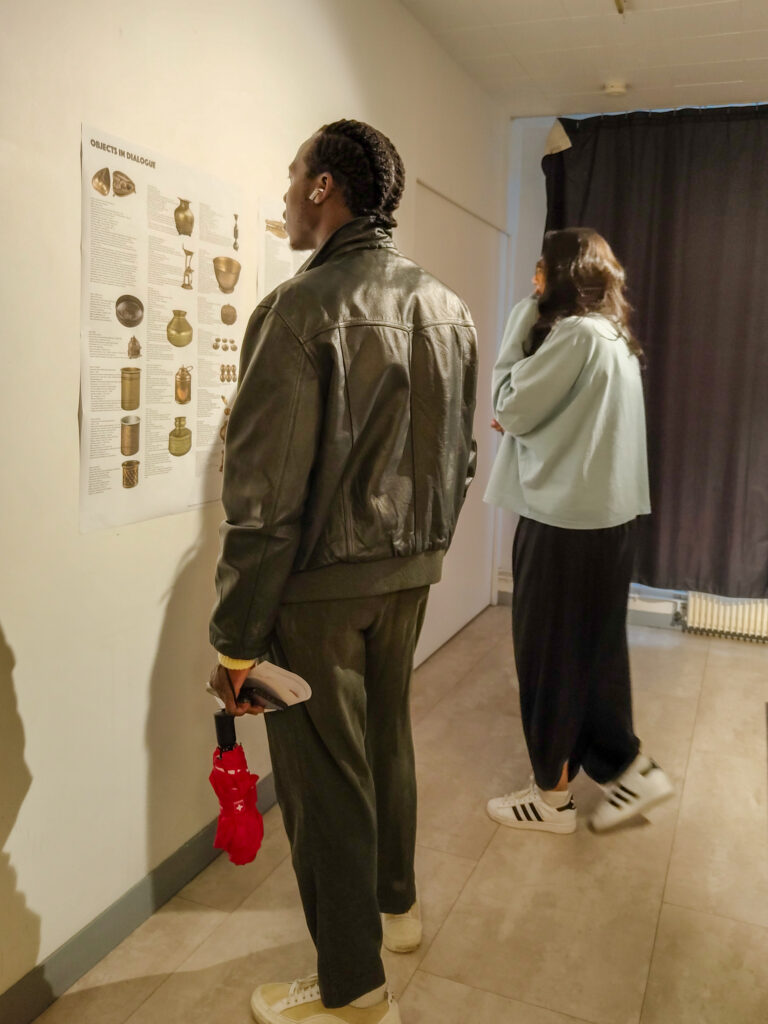
Objects in French collections also bear witness to these exchanges: a silver ewer with shell and lotus motifs at the Musée des Arts Décoratifs, an 18th-century Pondichéry betel box with a French crest at the Musée du Quai Branly, and a silver tray with Indo-European chasing in the Louvre, among others. Many of these artefacts, often everyday utensils, now reside in museum archives, sometimes displayed as decorative objects, at other times catalogued as ethnographic artifacts or remnants of colonial trade. My research investigates how these utensils have been classified, interpreted, and stripped of their everyday intimacy as they moved from domestic life to museum display.
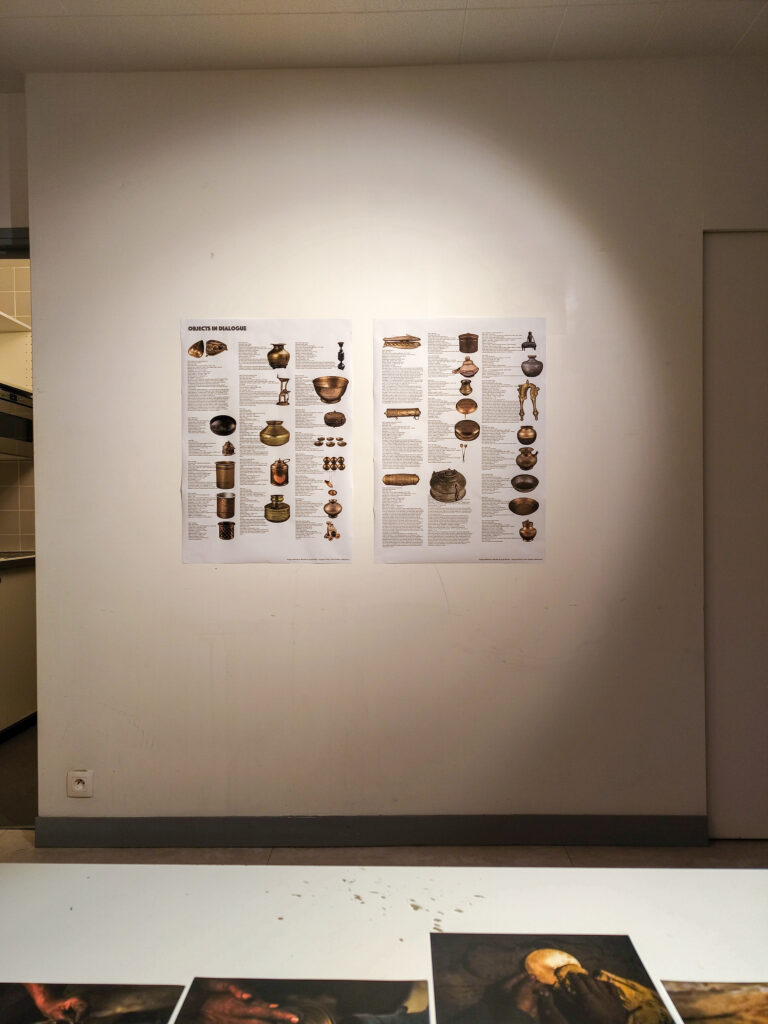
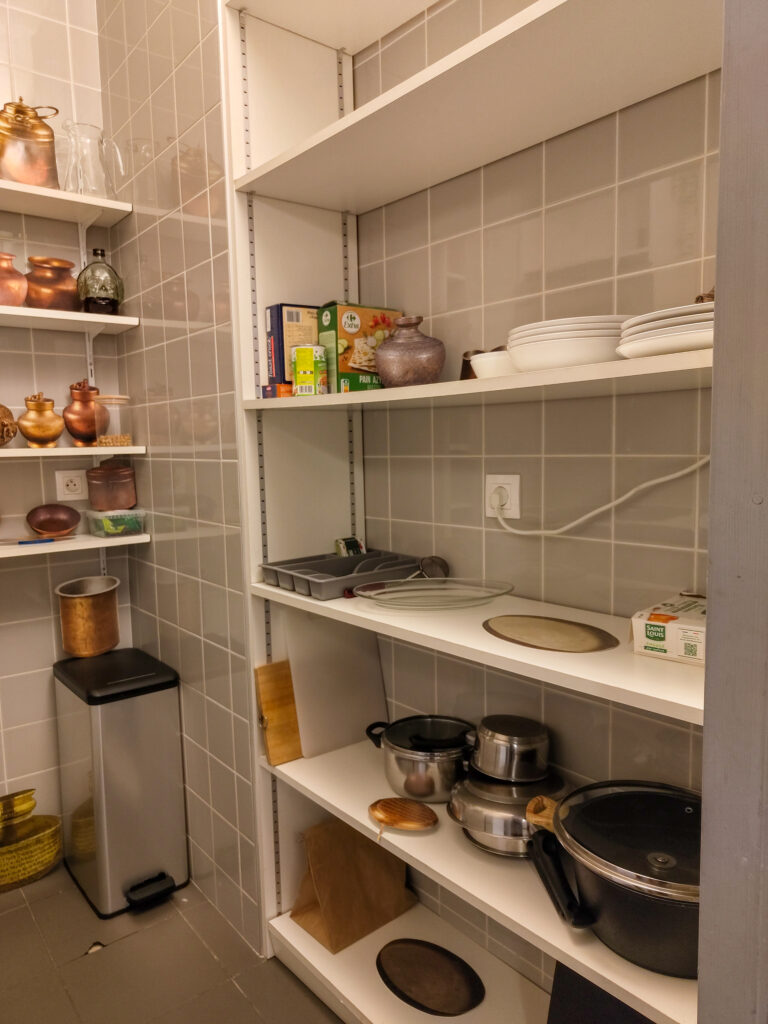
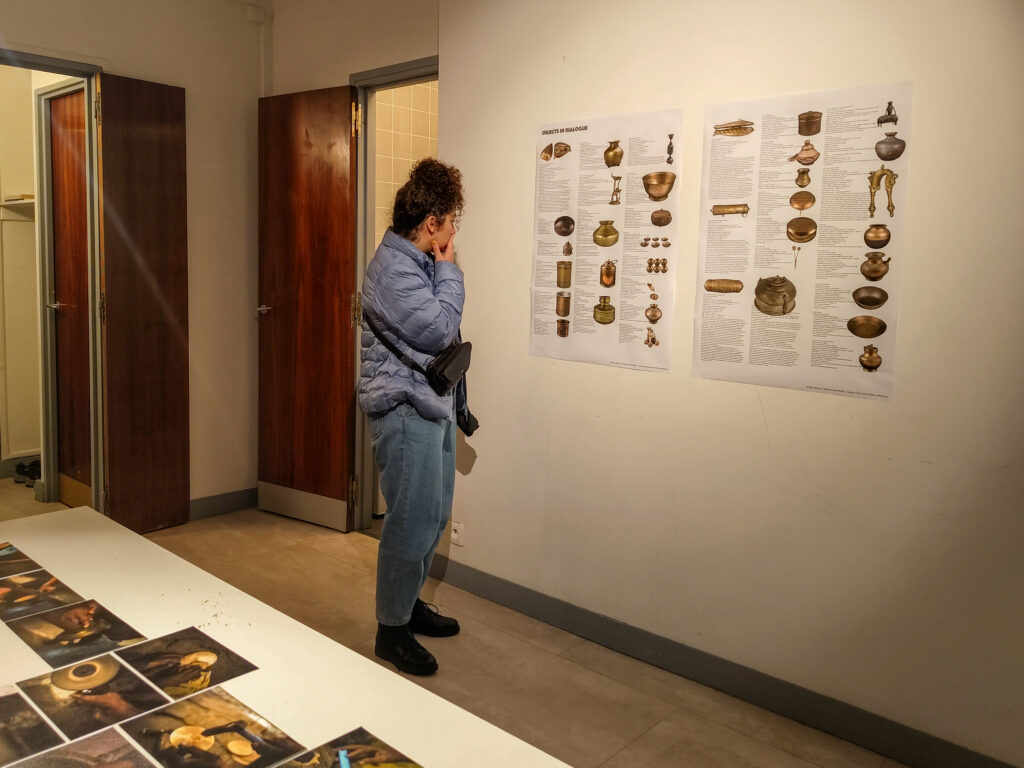
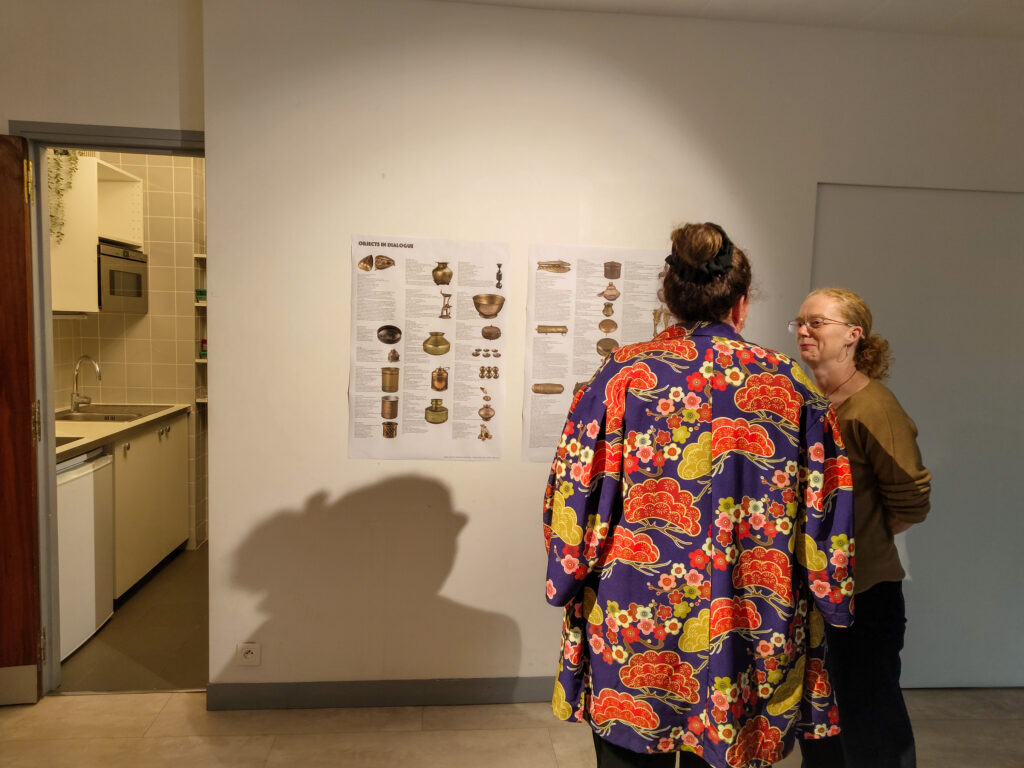
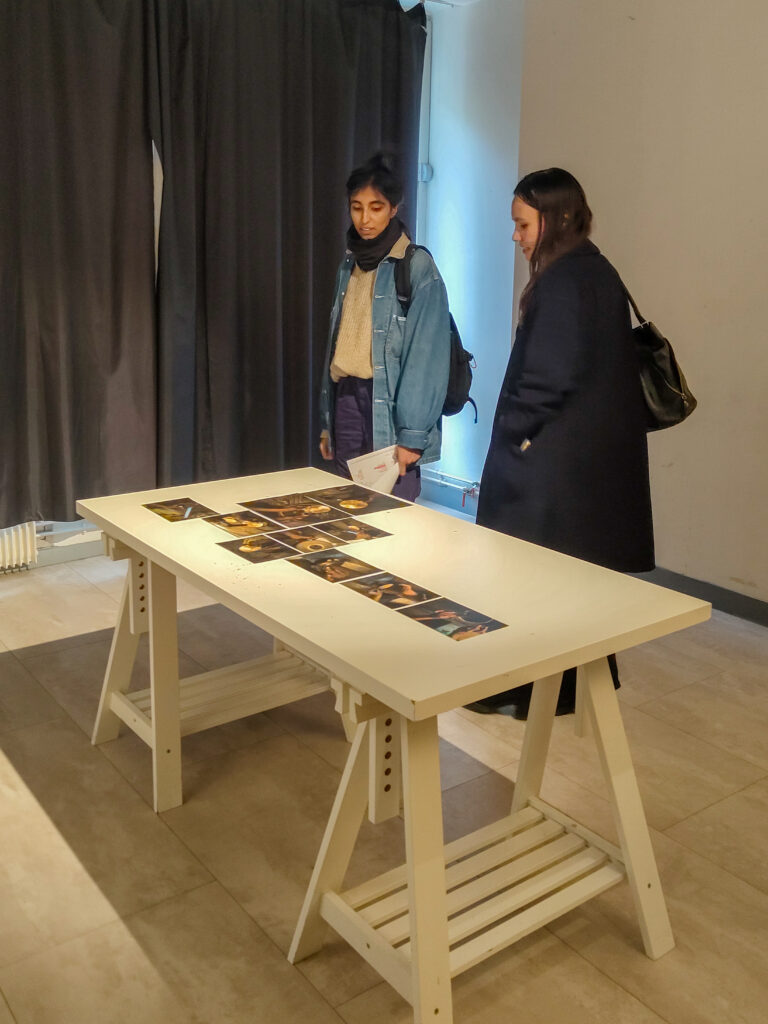
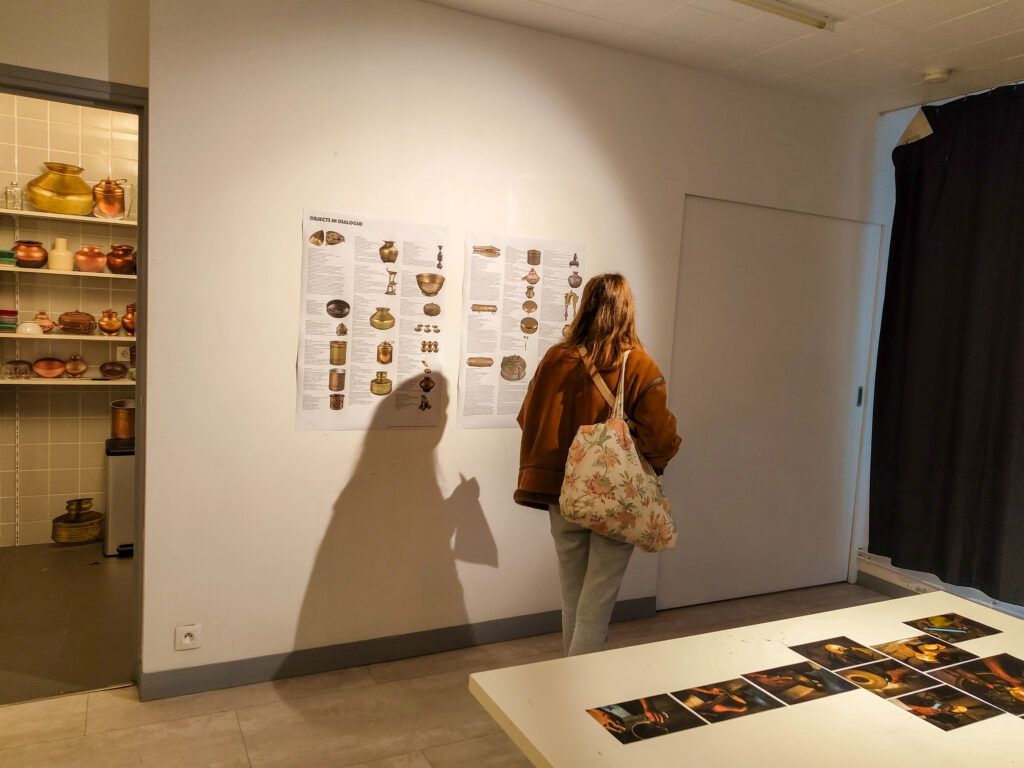
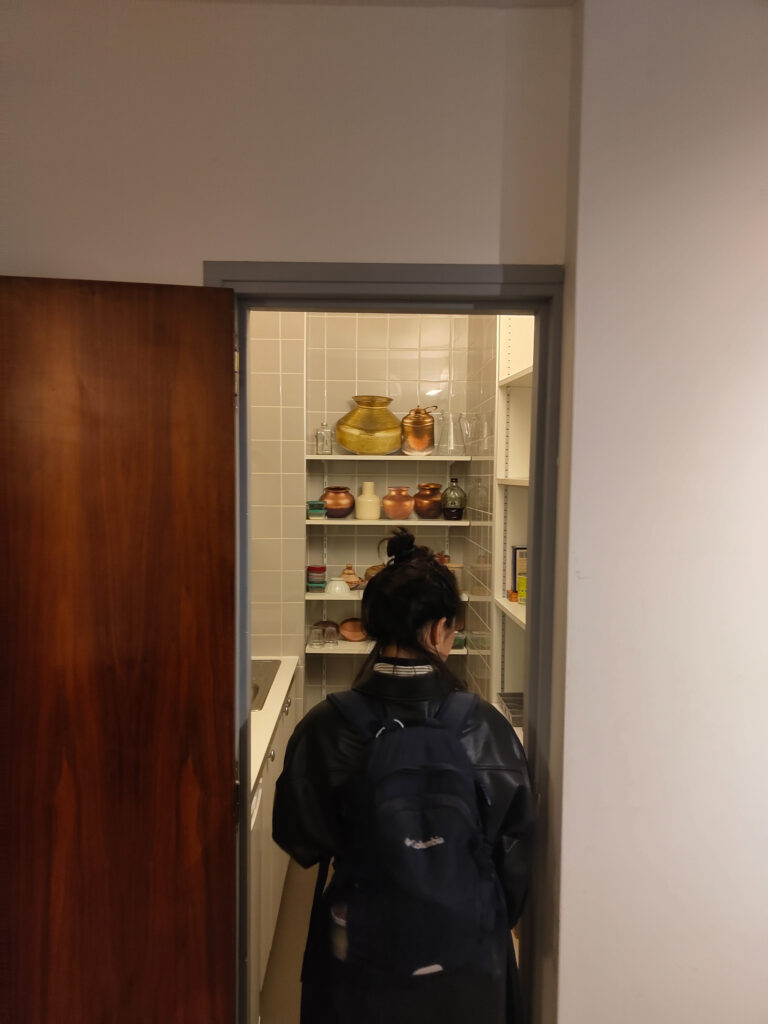
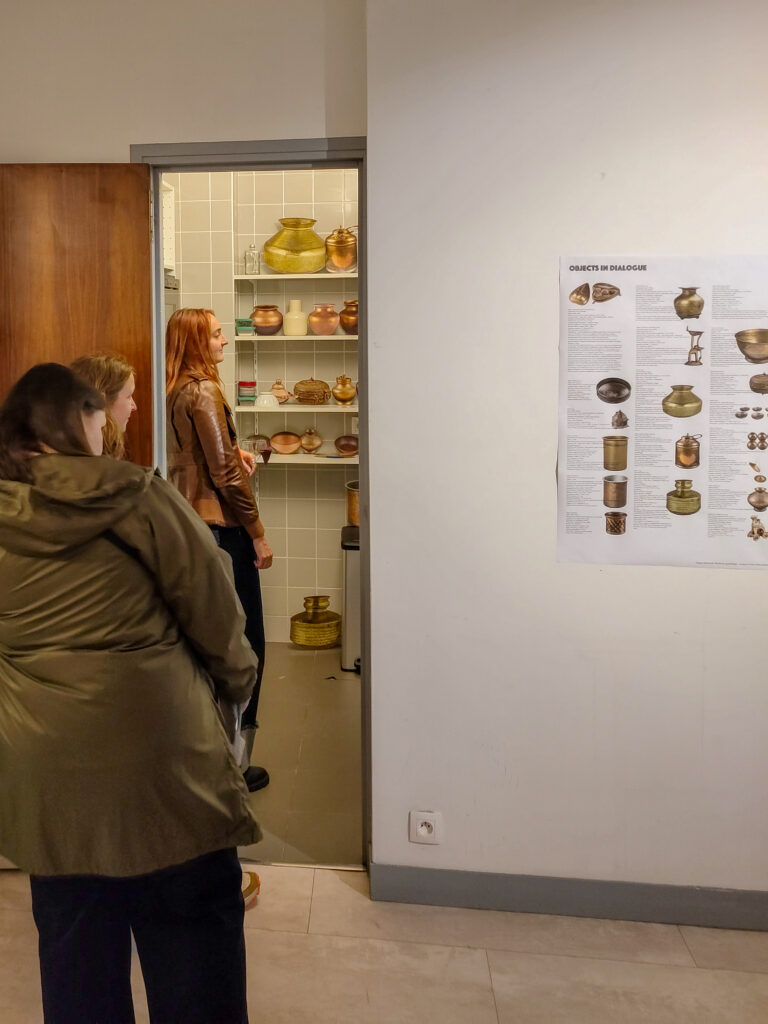
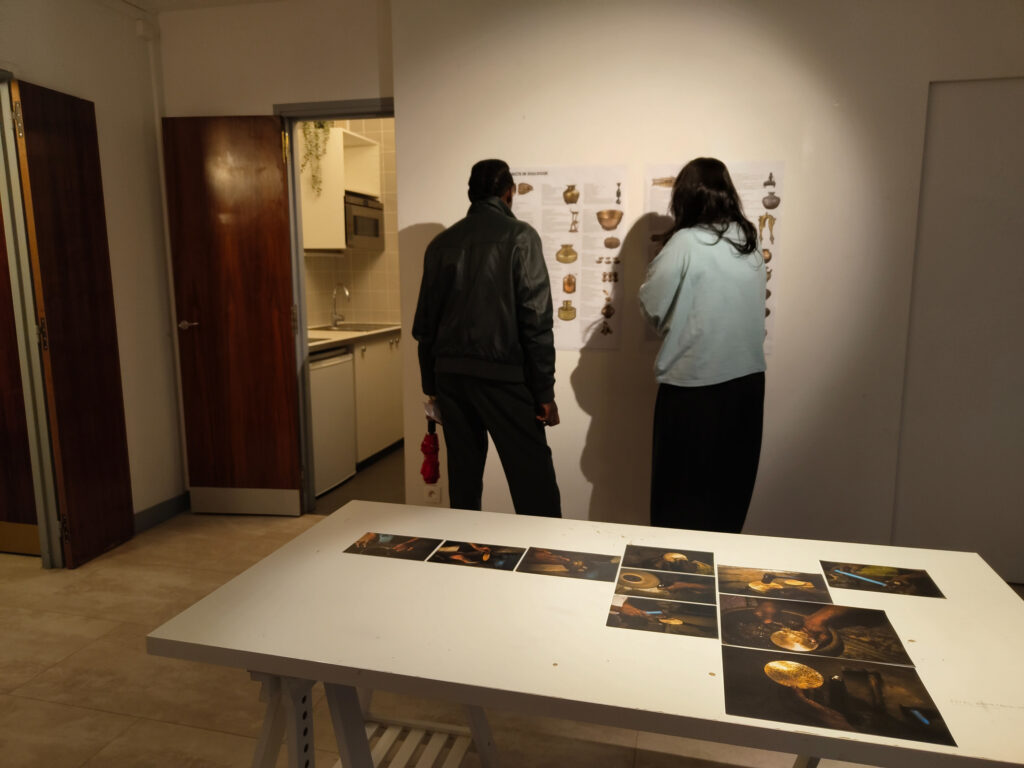
For the open studio, I recreated a domestic setting where photographs of such utensils from the Musée du Quai Branly’s collection were displayed. This installation invited viewers to consider: What happens when objects once close to the body and everyday ritual are removed from life and redefinened as “artifacts”? How do these shifts re ect tensions between lived practice and institutional display? Rather than offering conclusions, I open these questions to the audience, seeking to generate dialogue around objects, memory, and cultural agency.
This project draws upon archival images available in the online collections of the Musée du quai Branly – Jacques Chirac, Paris.This research remains ongoing and will continue beyond the residency, tracing how craft objects, especially those of daily use, embody histories of labor and community, even as their meanings shift across geographies, institutions, and times.
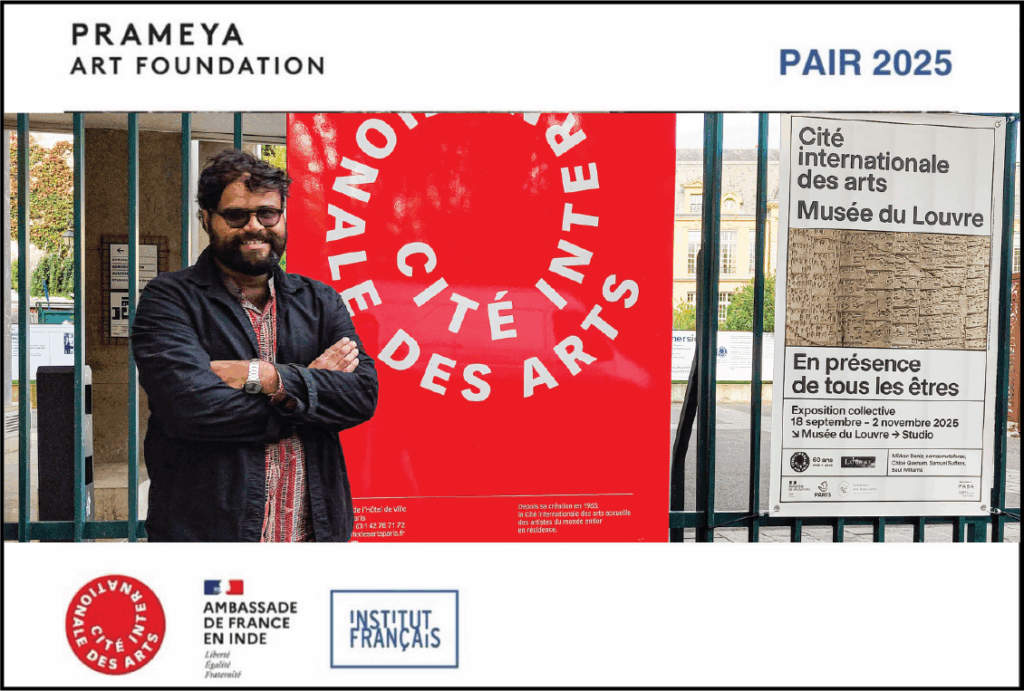
The residency has been made possible through the PAIR Award by the Prameya Art Foundation and the French Institute in India, with the support of the Institut Français in Paris and the Cité Internationale Des Arts, Paris.